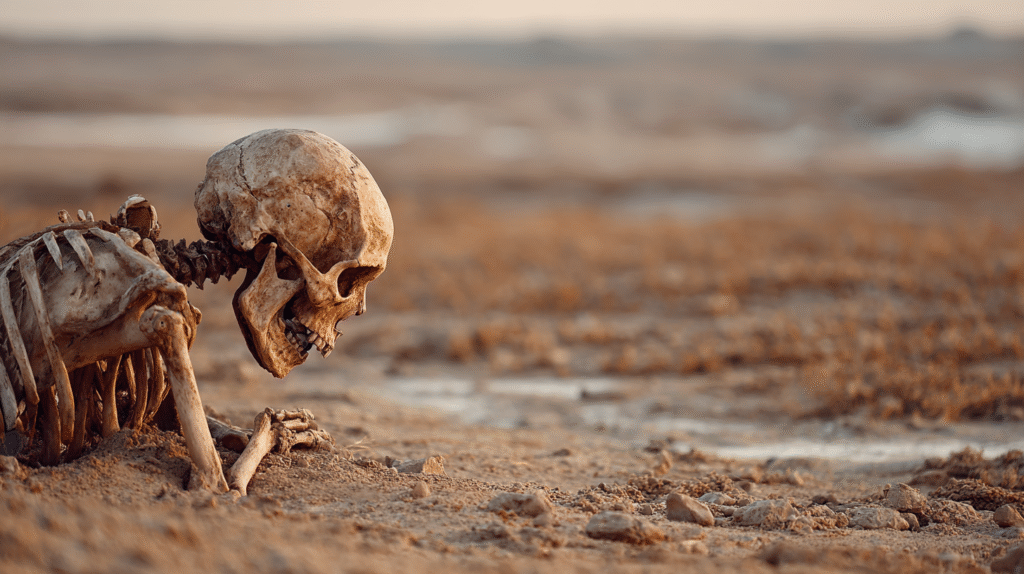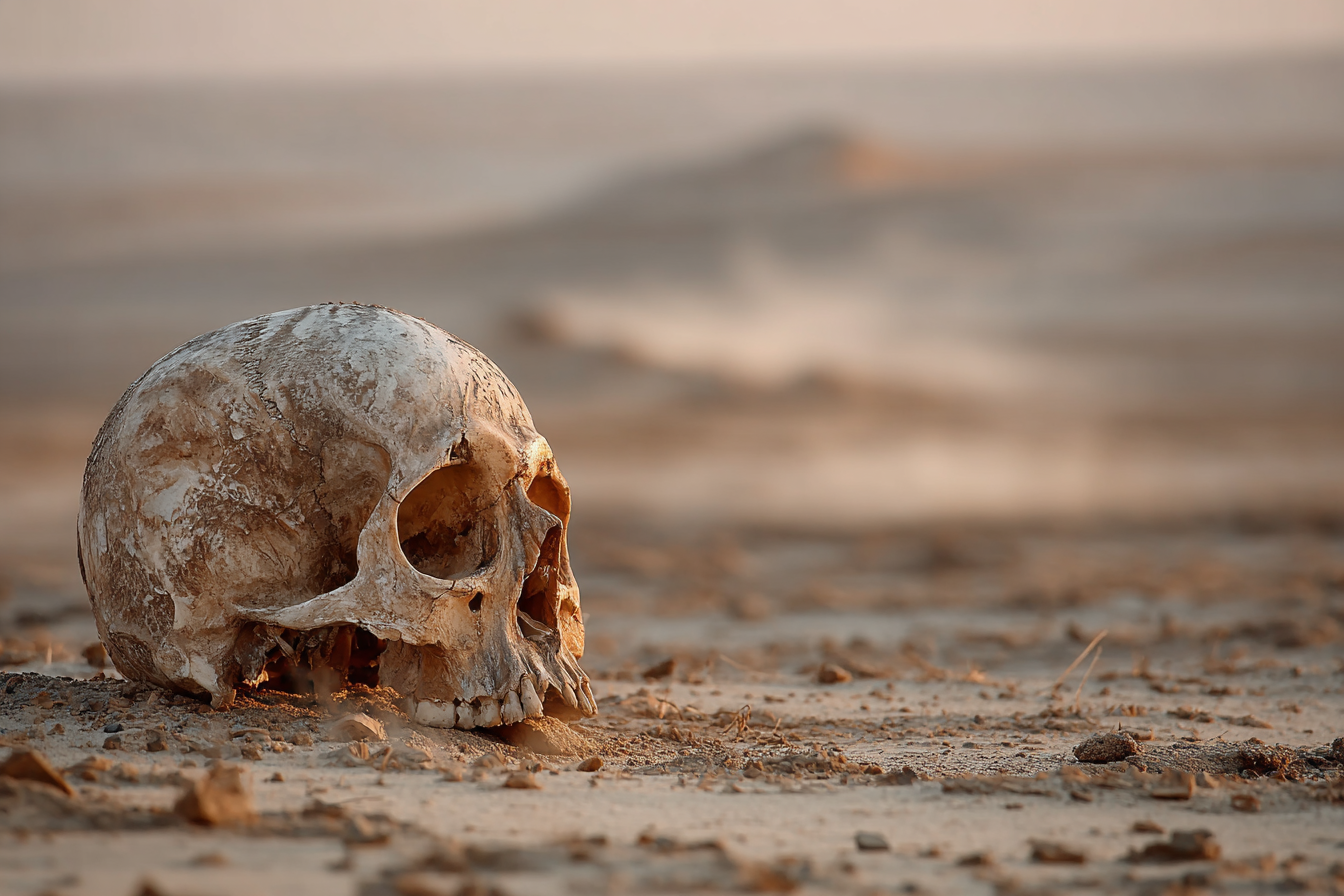
The perfect prison has no walls
Deserts, with their vast, silent beauty, hold a deadly danger for unprepared humans. They are among the most hostile environments on Earth, defined by conditions that actively work against the survival of life, most notably the near-total absence of water and the presence of harsh elements.
The primary threat is dehydration. The human body relies on water for every vital function, and in a desert, it’s rapidly lost through sweat as the body struggles to cool itself against intense heat. Without a sufficient supply, a person can succumb to fatal dehydration in a matter of hours. Even in cold deserts, the dry air promotes moisture loss through breathing, making water conservation critical.
Beyond the thirst, the extreme elements pose relentless challenges:
Scorching Heat: During the day, temperatures in hot deserts can soar well above 100∘F (38∘C), leading to heatstroke, exhaustion, and potentially organ failure.
Bitter Cold: Paradoxically, deserts often have vast temperature swings. The same lack of humidity that allows intense heating during the day also allows heat to escape quickly at night, causing temperatures to plummet below freezing. This sudden cold can lead to life-threatening hypothermia.
Relentless Sun: The intense, direct sunlight leads to severe sunburn, sun blindness, and long-term health risks without proper protection.
Disorientation: The often-featureless, repetitive landscape makes it incredibly easy to get lost, turning a lack of water into an absolute death sentence as search efforts become almost impossible.
Ultimately, the danger of the desert lies in its unforgiving simplicity: it is an environment that offers virtually none of the resources necessary for human survival while constantly demanding the conservation of all the body’s energy and moisture. It is a striking reminder that despite all our advancements, we are still intensely vulnerable to the raw power of nature